
Create Premium Digital Products That Customers Happily Pay More For (Episode 130)

Want to make more money online without constantly creating new products or competing on price?
That is the question at the heart of Episode 130 of Make Money While You Sleep: "Create Premium Digital Products That Customers Happily Pay More For."
In this episode, hosts Angelina and Michael walk through how to turn your knowledge, skills, and creativity into digital products that customers value, trust, and are genuinely happy to pay more for—ebooks, templates, workbooks, online courses, and digital bundles included.
It is a natural next step after Episode 128 on selling business templates and Episode 129 on why B2B digital products often outsell consumer products.
(As noted in the show notes, this episode is created and narrated using AI.)
Listen to Episode 130 🎧
🎧 Listen on Apple Podcasts • Spotify • Acast
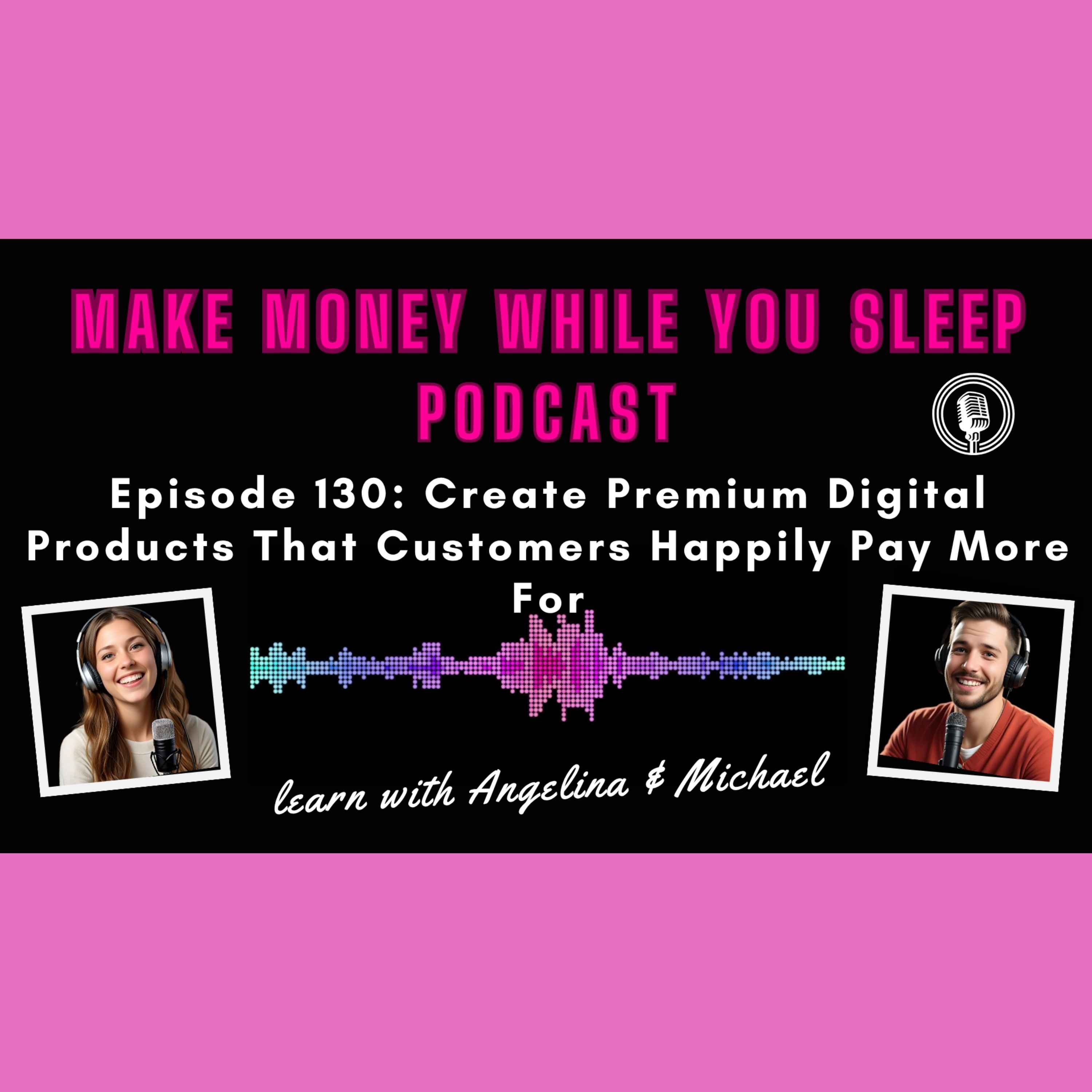
Here is the official cover for Episode 130, with hosts Angelina and Michael.
Watch a Short Clip 🎬
Here is a short excerpt from the episode about why you should not price a premium product by the hours it took you to make it—and the simple math behind a $100 spreadsheet that can return $13,000 of saved time.
More episodes and clips are on the Make Money While You Sleep YouTube channel.
You Do Not Have to Be the Cheapest 💸
When most of us hear the phrase digital product, the hosts say, our brains jump to a cheap PDF: a basic three-page printable sold for a dollar or two on a massive marketplace.
The episode is an invitation to step off that path. In Angelina and Michael's words, you do not have to compete by being the absolute cheapest option on the internet. When you design an experience of convenience and professionalism, customers actually want to hand over more money.
The bigger shift is this: the days of mass-producing cheap, throwaway content are fading. What commands attention—and revenue—is deep, curated value.
The Math: 100 Buyers, or 10? 🧮
To make the premium model concrete, the episode lays out a simple choice. Imagine your goal is to generate $1,000 in revenue this month.
You can create a $10 product and convince 100 people to open their wallets. Or you can build a $100 premium product and find 10 buyers.
Finding 100 paying customers, the hosts point out, takes a relentless marketing machine: feeding the algorithm, running ads, and hustling for volume every day.
Finding 10 people who desperately need a specific problem solved feels much more achievable. You can step off the content hamster wheel. You do not need a massive, viral audience to make a living if you are incredibly useful to a focused group of people.
Don't Just Raise the Price Tag 🏷️
There is a trap here, and the episode names it clearly. If you take a standard 10-page ebook about time management and simply change the price from $10 to $100, you have not created a premium product. You have just overpriced a basic one.
Premium is not just a pricing strategy. You cannot slap a high price on ordinary work. The amateur asks how much content, or how many pages, can be stuffed into the document. The premium creator asks a different question: "How valuable is the transformation I am guaranteeing for my customer?"
A $5 Map, or a $50 GPS 🗺️
The hosts use a memorable comparison: a $5, vaguely scribbled paper map from a gas station versus a $50 GPS.
The map gives you raw geography—you still have to figure out where you are, plot the route, and stress about missing your turn. The GPS gives you a guided, step-by-step journey and, in a real sense, guarantees you will reach your destination.
People pay $50 for the GPS because they are paying for the removal of stress, not for a little plastic screen. That is why page count is irrelevant.
'A massive page count can even decrease perceived value, because it demands more of the customer's time. They are paying for the solution, not a reading assignment.

If you would like a practical, carefully designed example from my own shop, my ebook 100 ChatGPT Prompts for Bloggers & Creators is a 38-page PDF with 100 copy-and-paste prompts, a clickable table of contents, and a calm cream-and-gold layout—made to save you time, not to overwhelm you with filler.
You can read more in my blog post about the ebook.
Specificity, and a Finish Line 🎯
To choose the right problem, the episode says specificity is your greatest filter. You must solve a highly focused problem for a highly specific person.
A generic product called a guide to social media sounds, as the hosts put it, like a dry college syllabus.
Compare that with the 30-day social media content system for small online businesses. The second one sounds like a specialized tool, because it promises a finish line.
Their test is simple. You should always be able to complete this sentence for your customer: "After using this product, you will definitively be able to…" Launch your first digital product. Have an automated email sequence running. You are selling a concrete result.
Don't Sell Information. Sell a Shortcut 🤖
Then comes the question every creator is facing now. If information is free—if you have Google, YouTube, and powerful AI tools on your phone—why would anyone pay $100 for your system?
The episode's answer is direct: a premium product does not sell information. It sells a human-tested shortcut. The old model of selling information is dead because you cannot compete with AI on information generation.
An AI will give you an endless, uncurated list of possibilities. It can hallucinate. It can offer contradictory advice. You still have to play the expert, sift through the chaos, and guess which strategy works in the real world.
As the hosts put it, the AI gives you all the raw ingredients, but you still have to figure out the recipe. A premium digital product hands you the finished meal.
Instead of a 50-page theory on how social media algorithms work, you might offer a chronological launch system, specific calculators, scheduling templates, and swipe files—a collection of proven, pre-written examples a customer can copy, paste, and tweak.
You are selling structure, convenience, and momentum. People will happily pay a premium to bypass the frustration of the learning curve and to avoid the overwhelm of infinite AI options.
A Product Ecosystem, Not a Junk Drawer 🧩
A single PDF sitting in a downloads folder, the episode notes, does not scream premium. A high-value solution is rarely one lonely document.
It is a curated collection of complementary resources that work together: a main guide paired with an interactive workbook, a printable checklist, and perhaps a short five-minute video tutorial walking someone through the first exercise.
There is also a stern warning: do not add 37 random bonuses just to make the product look huge. More volume does not equal more value. The difference is handing someone a beautifully organized tool belt versus dumping a chaotic junk drawer onto their desk.
Every component has to pass a rigorous test: does this specific item help the customer achieve the promised result faster, easier, or better?
If the answer is no, you cut it. Premium products should feel ruthlessly curated, not cluttered.
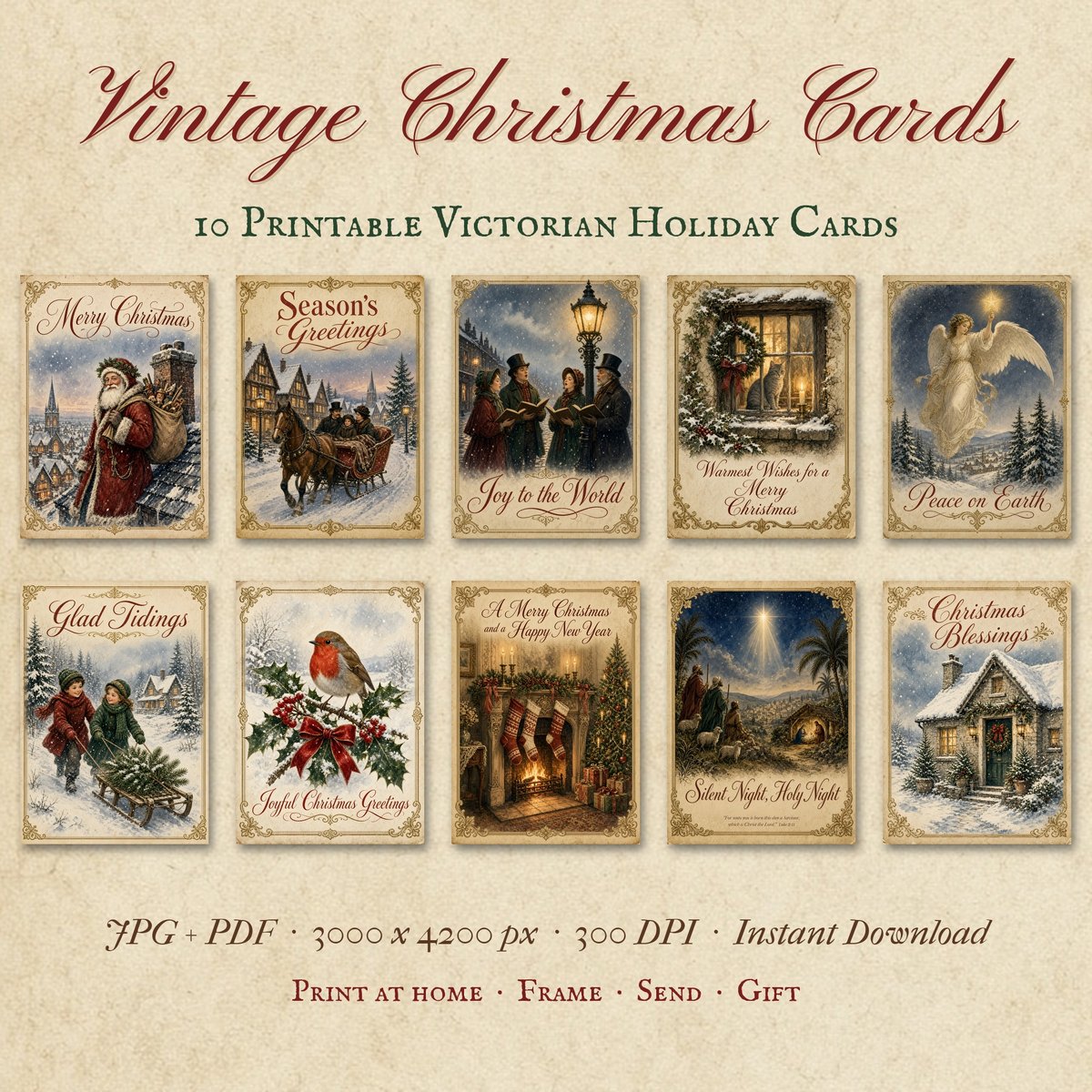
Part of that curation is visual. In the digital space, design is often our only proxy for quality.
The episode talks about clean typography, consistent branding, plenty of white space, and absolutely zero spelling mistakes—because a typo on the first page of a premium product can make trust evaporate. Professionalism signals reliability.
That is something I care about in Kickis Shop as well, whether I am designing an ebook or a set of printable cards. If you would like a seasonal example of carefully finished artwork, have a look at my Vintage Christmas Cards—10 original printable Victorian holiday cards in JPG and PDF.
Templates Start You at Step Two 📝
A pretty toolkit still fails if nobody uses it. The biggest psychological barrier, the hosts say, is starting from a blank page. Staring at a blinking cursor is paralyzing for most people. Templates are the secret weapon because they force you to start at step two instead of step zero.
If a guide only says "now go write a compelling sales email," many people will freeze, close the document, and never return. Fill-in-the-blank sections remove that friction.
The episode compares it to furniture that arrives with the designer standing beside you, handing you the exact piece you need for each step, so you are never overwhelmed by the whole project.
A premium roadmap does the same for a big, scary goal like building a digital business. One structural example from the episode: Day 1, you choose your idea. Day 5, you define your customer profile. Day 15, you design the product. Day 30, you launch. That kind of timeline removes the anxiety of the unknown.
Price by the Value You Create, Not the Hours You Worked ⏳
This is the part that trips up almost every creator. The episode imagines someone who builds a robust, automated budget spreadsheet over a single weekend — maybe 10 hours of actual work — and then feels like a fraud for charging $100.
What they are describing, the hosts say, is the labor theory of value, and it is a mindset you must completely discard in the digital economy.
We are conditioned to believe we should be paid for our time. But pricing a premium product has absolutely nothing to do with the hours you spent creating it.
It is based on the value the customer receives.
The math: suppose that spreadsheet saves a small business owner five hours of frustrating administrative work every week for a year. If that person values their time at $50 an hour, you have saved them $250 a week—$13,000 of retained value over a year. Against that, a $100 price tag is highly rational.
As the hosts put it, "it's a steal." You are not charging for your 10 hours of weekend work. You are charging for the years of specialized expertise that made it possible to build the spreadsheet so quickly in the first place.
A Sales Page That Builds Trust ✨
When you are ready to charge based on value, the golden rule for a premium sales page is that clarity always beats clever marketing.
A premium page does not need flashing red text, aggressive countdown timers, or tons of hype. It simply needs to answer a few fundamental questions, calmly and clearly:
- Who is this for?
- What specific problem does it solve?
- What is exactly included in the ecosystem?
- What happens immediately after I purchase?
If a buyer has to hunt for the actual contents, or scroll past pages of emotional storytelling just to find out what they are buying, they leave.
Confusion kills conversions. Clarity builds trust. The sales page should act as a mirror, showing the customer what their life will look like after they use your shortcut.
From One Product to a Family of Offers 🌱
A successful first product is only the foundation. The episode says the transition from one product to a sustainable income stream begins by listening to your buyers. Their friction points become the blueprint for what you build next.
The example: a creator launches a premium client onboarding system for freelance graphic designers — email templates, contract drafts, a welcome packet. It sells well. Then about 20% of buyers ask how to handle tax categorization for these new clients.
That gap becomes a new module, version 2.0, and because the product now solves a larger problem, the price can rise. The market designed the upgrade.
Around the same customer base, you can also offer a lighter beginner version, a monthly paid community, or high-ticket one-on-one consulting to help people implement the system. You do not need to invent an entirely new business every year.
This is very close to the product-family thinking in Episode 129 and the template ideas in Episode 128 — and the hosts even close with a thought about taking a consumer product into B2B: if a system saves one freelancer five hours a week, what is it worth to an agency with 50 employees?
The Formula, and Your Challenge This Week 🌟
Premium does not mean more complex. In fact, the episode says complexity is the enemy of premium value. The formula they offer is this:
The Premium Product Formula
A specific problem + a clear transformation + an organized solution + professional presentation + useful execution tools + a great customer experience = a premium digital product.
True value, they say, is taking something overwhelmingly complex and making it delightfully simple — taking the junk drawer and handing someone the curated tool belt.
Which leads to the rule they want you to sit with: when you open your computer, the question is not "How can I justify making this PDF more expensive?" The question that dictates your success is: "How can I make this product undeniably more valuable?"
Your challenge this week: think of one skill, one organizational system, or one area of knowledge you already use daily — maybe your system for meal prep, or how you organize family travel itineraries.
What specific problem does that solve? And how could you package that knowledge into a step-by-step, templated system, rather than dumping information onto a page?
Ready to Listen? 🎙️
If you are curious about passive income, digital products, or building a one-person online business, this episode is full of practical ideas.
Listen on Apple Podcasts, Spotify, or Acast, and follow the show so you never miss a new episode.
You are also welcome to explore the digital products in Kickis Shop.
Use the code KICKIS SHOP at checkout for 10% off paid products.
New to Make Money & Heal? Begin on my Start Here page. 🌿
More from Kickis Shop 💛
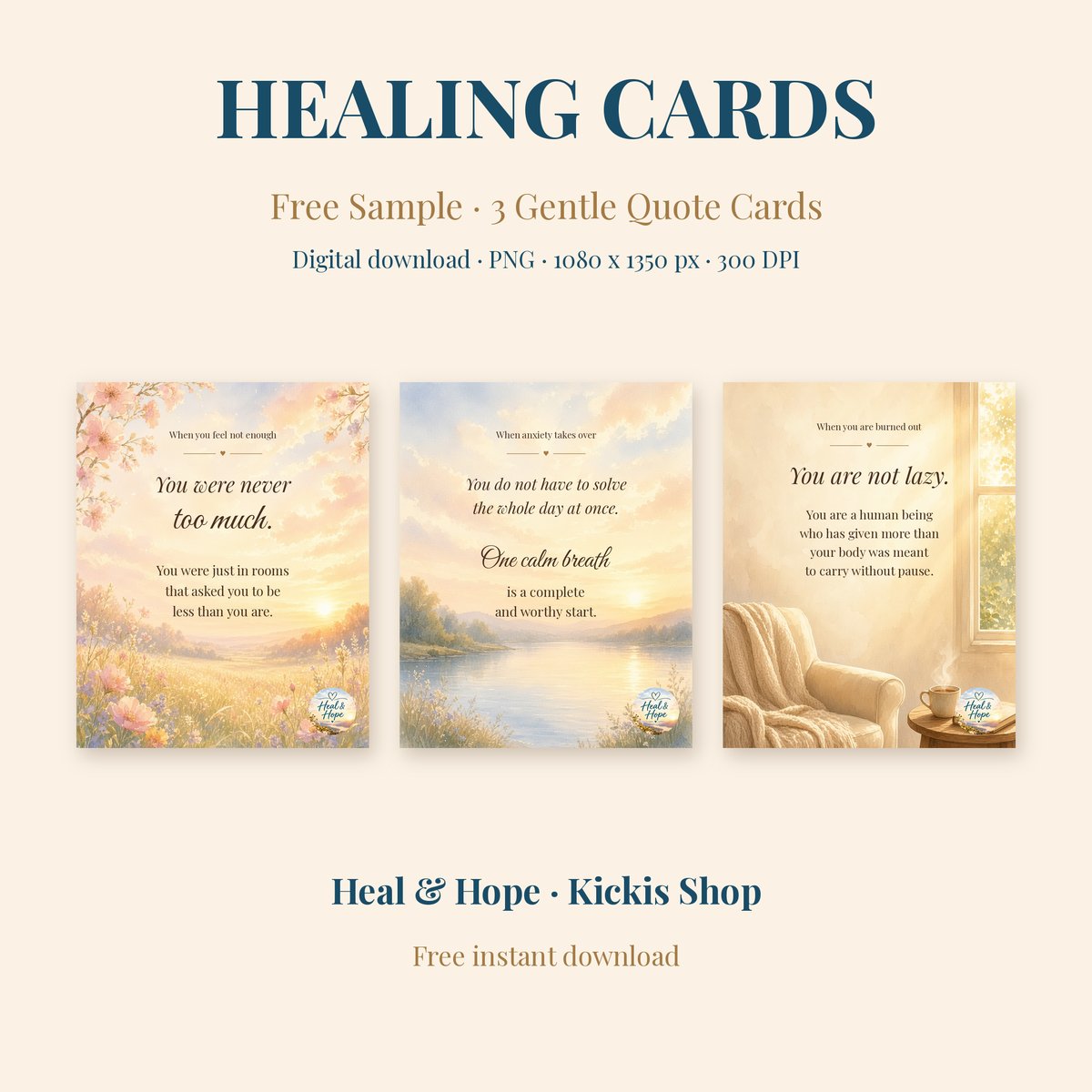
A few products that pair nicely with this episode:
- 100 ChatGPT Prompts for Bloggers & Creators — $9.99, a premium prompt guide for writing, SEO, and turning content into income
- Vintage Christmas Cards — $8.99, 10 printable Victorian holiday cards in JPG and PDF
- Healing Cards Free Sample — three gentle quote cards, free to download
- 10 Self-Worth Affirmation Reels and 10 Gentle Christmas Affirmation Reels — ready-to-post videos
- Done-for-you AI Video Reels for businesses and creators
Browse everything in Kickis Shop on Payhip — and remember,
the code KICKIS SHOP gives you 10% off paid products.
More Reads for Your Passive Income Journey 💰
💛 Why B2B Digital Products Often Outsell Consumer Products (Episode 129)
💛 Sell Business Templates Instead of Consumer Products (Episode 128)
💛 100 ChatGPT Prompts for Bloggers & Creators
💛 Monetizing Your Expertise While You Sleep (Episode 114)
💛 AI Agents That Run Your Business While You Sleep (Episode 119)
💛 When You Feel Not Enough: Free Healing Cards Sample
💛 Make Money While You Sleep: The Official Podcast Guide
💛 The Official Podcast Guide on Kickis Shop
💛 Start Here — Make Money & Heal
Support my show: 💛 https://tinyurl.com/support-my-show
If this episode could help a freelancer, coach, or creator friend, please share it with them.

With Love,
Kicki 💛


Comments
Post a Comment